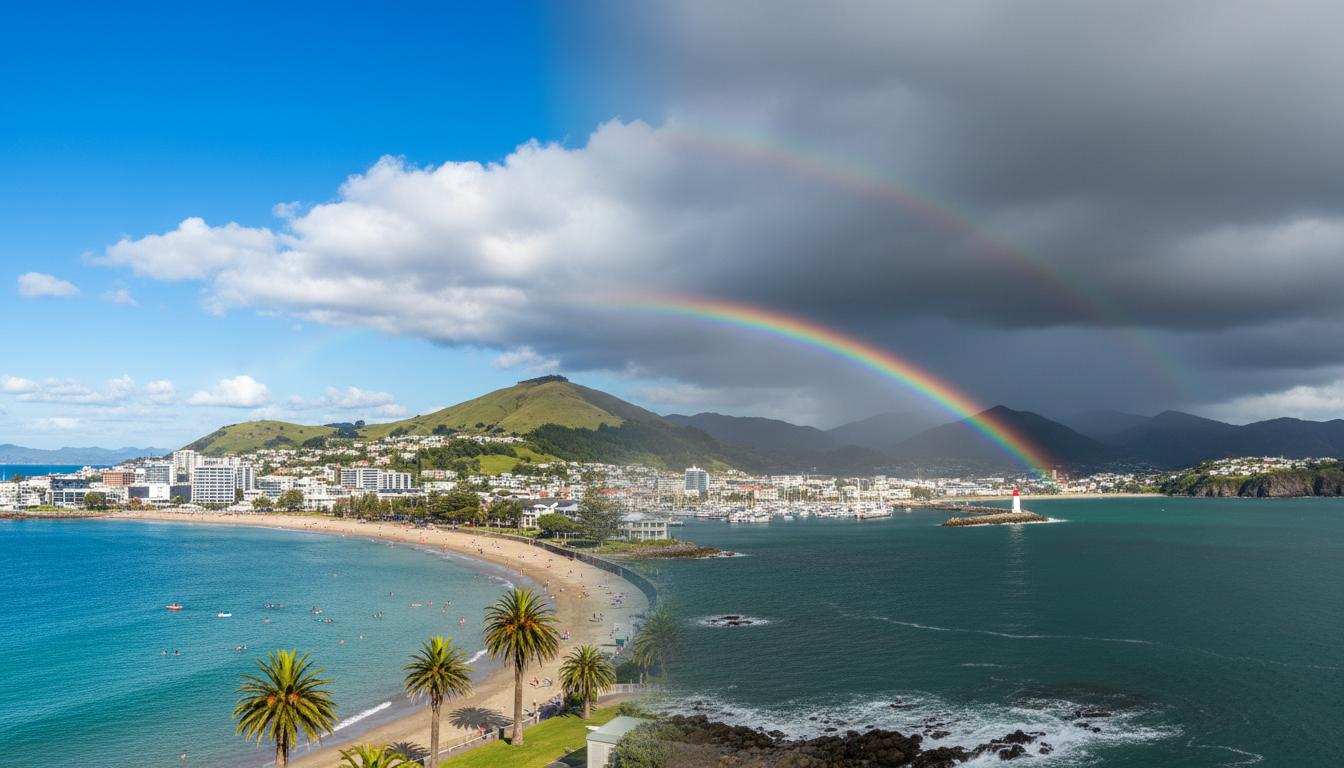
Nelson weather has a reputation: bright skies, gentle summers, and a knack for outdoor days that run long into the evening. But there’s more to it than “sunny.” The bays, hills, and ranges carve out distinct microclimates. Sea breezes calm hot afternoons. Nor’westers race in dry and warm. And every so often, a moisture-laden system parks over Tasman Bay and tips out heavy rain. This guide explains what drives Nelson’s climate, how it behaves through the seasons, where it varies by suburb and valley, and how to read the forecast so you can plan smarter—whether you’re heading for Abel Tasman, commuting by bike, or choosing a place to live.
What is
Nelson weather is a temperate, maritime climate shaped by Tasman Bay and sheltered by surrounding ranges. It’s one of Aotearoa New Zealand’s sunniest regions, with long daylight hours in summer, mild winters near the coast, and rainfall that arrives in bursts rather than constant drizzle. Snow is rare at sea level but settles on the Richmond Range and Kahurangi tops in winter. Inland valleys see regular winter frosts; coastal suburbs feel the sea’s moderating touch.
Where the weather comes from
Nelson sits at the top of Te Waipounamu (South Island), tucked behind the Kahurangi and Richmond Ranges. Those mountains block much of the rain from westerly systems, creating drier, sunnier conditions for the city and Waimea Plains, while Golden Bay can be wetter when moist northerlies pile in. Tasman Bay steadies temperatures, shaving off extremes by day and night.
Typical ranges you can expect
- Summer (Dec–Feb): daytime highs around 22–26°C; sea breezes in the afternoon; warm, bright evenings.
- Autumn (Mar–May): stable, crisp mornings; pleasant days near 18–22°C; calm seas.
- Winter (Jun–Aug): coastal highs 11–14°C; colder inland with frosts; clear, still spells between fronts.
- Spring (Sep–Nov): variable; quick swings between calm, warm days and gusty fronts; strong UV on clear days.
How it works
The engine of nelson weather is geography meeting the sea. Small shifts in wind direction make big differences, especially with the ranges acting as ramparts and Tasman Bay as a heat sink.
Mountains, shelter, and the nor’wester
Westerly air spills over the Southern Alps, dries out, then warms as it descends the Richmond Range in a foehn-like nor’wester. The result: warm, dry bursts in Nelson city and the Waimea Plains, sometimes spiking temperatures well above forecasts. The same setup can leave the western ranges soaked while the city stays fine.
Sea breezes and coastal moderation
On warm days, Tasman Bay often breathes a gentle onshore breeze by late morning. That northeasterly caps peak temperatures near the coast (Tahunanui, Atawhai, Monaco) and smooths choppy afternoons for boaties on a predictable rhythm. Nights are milder along the waterfront than in inland pockets like Brightwater or Upper Moutere, where cold air pools.
When the rain turns up
Heavy rain arrives with moist northerly flows, subtropical lows, and occasionally ex-tropical cyclones tracking down the Tasman Sea. These can stall against the ranges, producing intense downpours and slips—especially in Golden Bay, the Takaka Hill area, and the Maitai and Roding catchments. The city can switch from blue sky to swollen streams in a day when an atmospheric river sets in.
Seasonal drivers: El Niño, La Niña, and friends
- El Niño years often bring stronger westerlies and more frequent foehn warmth for Nelson, with drier spells on the lee side.
- La Niña tends to favour easterly and northeasterly flows, which can mean cloudier, wetter periods around Tasman Bay and Golden Bay.
- High summer anticyclones lock in long fine runs; spring fronts bring the chop and change.
Climate trends to keep in mind
Observations across New Zealand show a warming trend and an increase in heavy rainfall intensity. For Nelson, that means slightly warmer nights, more hot days in summer, and a higher risk of short, sharp rain events. Sea temperatures in Tasman Bay have also been trending warmer in recent summers, which can amplify humidity and sea fog at times.
Types / examples
Seasonal snapshots
- Summer: A classic day starts calm, warms quickly, then sees a light sea breeze from late morning. Great for the beach; bring a wind layer for the afternoon. UV is high—sun protection is essential.
- Autumn: Settled and golden. Cool starts, warm middays, glassy evenings on the water. Grapes and apples love it; so do cyclists.
- Winter: Crisp mornings, often with frost inland. Clear, bright days in between fronts. Snow sprinkled on the tops is common; at sea level it’s a curiosity.
- Spring: Everything at once—sun, a squally front, then a rainbow. Gardeners watch for late frosts in sheltered valleys.
Microclimate examples across the region
- Nelson City and Tahunanui: Milder nights, frequent sea breeze, quick clearing after fronts.
- Richmond and Waimea Plains: Warmest on nor’wester days; cooler frosts in winter.
- Motueka, Riwaka, Kaiteriteri: Sunny, slightly more humid in summer; sea breeze funnels up the bay.
- Golden Bay (Takaka, Collingwood): Wetter under northerlies; calm, hot pockets on settled days.
- St Arnaud/Lake Rotoiti: Colder, higher elevation; snow and frost more frequent.
Nelson and Tasman microclimate comparison
| Area | Summer daytime | Winter daytime | Rainfall tendency | Wind notes | What to expect |
|---|---|---|---|---|---|
| Nelson City (Tahunanui, Atawhai) | 22–25°C; sea-breeze cooled | 12–14°C; mild nights | Moderate; bursts with northerlies | Regular NE sea breeze, SW changes with fronts | Beach-friendly afternoons; quick clearing after fronts |
| Richmond & Waimea Plains | 23–27°C; warmer on nor’westers | 10–13°C; colder dawns, frost-prone | Lower annual total; dry spells common | Foehn nor’wester gusts; calmer nights | Great for gardening; watch summer dryness |
| Motueka & Kaiteriteri | 23–26°C; humid on still days | 11–13°C; lighter frosts inland | Moderate; showers with sea breezes | Afternoon NE funneling up the bay | Reliable beach weather; occasional sticky heat |
| Golden Bay (Takaka, Collingwood) | 23–26°C; hot inland pockets | 11–13°C; chillier inland | Higher, especially under northerlies | Can be sheltered; gusty with fronts | Lush growth; heavier rain in northerly events |
| St Arnaud / Lake Rotoiti | 18–22°C; cool nights | 5–9°C; frequent frosts and snow nearby | Moderate to higher; alpine influence | Stronger valley winds at times | Clear, cold winters; alpine weather nearby |
Pros and cons
Why people rate Nelson weather
- High sunshine hours and long, bright evenings in summer.
- Mild coastal winters; snow almost never settles in town.
- Predictable sea breezes that make hot days comfortable.
- Excellent conditions for vineyards, orchards, and year-round outdoor life.
Trade-offs to be aware of
- Short, intense rain events can cause slips and stream rises.
- Strong UV—sunburn is a real risk even on cool, clear days.
- Dry spells in El Niño years increase fire danger and water restrictions.
- Spring can be gusty with rapid changes; plan flexible days out.
How to use or choose
Plan a day out with the Nelson forecast
- Check MetService for the Nelson and Tasman Bay marine forecasts, plus mountain forecasts if you’re heading inland.
- Look at wind direction and timing. A late-morning NE means cooler coasts and bumpier afternoons on the water.
- Scan rain radar and satellite loops to see if a band is stalling over the ranges.
- Note UV index and temperature spread. Pack layers for the sea breeze and sun protection year-round.
- For tramping or kayaking, confirm river levels and tide times. Abel Tasman beaches change character with the tide and breeze.
- Have a plan B. If northerlies arrive, pick sheltered tracks or inland valleys; if a nor’wester blows, the coast can be ideal.
Best times for popular activities
- Abel Tasman hiking and kayaking: Late summer and early autumn for settled seas and warm water.
- Beach days (Tahunanui, Kaiteriteri): Summer midday to early afternoon before the sea breeze kicks up chop; evenings are calm again.
- Road cycling: Autumn mornings are crisp and still; in summer, ride early before the heat and breeze.
- Vineyard visits and markets: Spring for blossoms and buzz; autumn for harvest colour and settled weather.
Choosing where to live or stay based on nelson weather
- Love warm, still nights? Look inland toward the Waimea Plains, but expect frosts in winter.
- Prefer milder winters and sea views? Coastal Nelson suburbs stay softer overnight, with an afternoon breeze.
- Chasing the quiet after a front? Richmond and Stoke often clear quickly under nor’westers.
- Want lush gardens and waterfalls? Golden Bay’s higher rain totals deliver, with more northerly showers.
Packing list for the region
- Sun protection year-round (hat, SPF 50+, sunglasses with good UV).
- Breathable layers and a windproof shell for the sea breeze.
- Light rain jacket—showers can turn heavy fast.
- Warm layer for inland nights and winter mornings.
- Footwear with grip for damp bush tracks after rain.
FAQ
Is Nelson really the sunniest place in New Zealand?
Nelson regularly ranks among the sunniest, often trading the annual title with places like Blenheim. Sunshine hours are typically very high, especially in summer and autumn.
Does it snow in Nelson city?
At sea level, snow is rare. Light flurries happen only in unusual cold snaps. Snow is common on the Richmond Range and Kahurangi high country in winter.
What’s the best month for beaches?
January to March brings warm air and water, with long evenings. Late afternoon sea breezes are normal, so mornings and early afternoons are often best for calm seas.
Why does Nelson feel so warm on nor’wester days?
The foehn effect. Air warms and dries as it descends from the ranges, pushing temperatures up quickly in the city and Waimea Plains.
Is Nelson windy?
Not by Wellington standards. The most regular wind is the gentle NE sea breeze on warm days. Spring fronts and nor’westers can gust, but many days are calm.
How heavy can the rain get?
Very heavy under moist northerly events or subtropical lows. Golden Bay and the ranges take the brunt; urban streams like the Maitai can rise quickly in such setups.
What’s the UV like?
High to very high in summer, often peaking around midday. Use strong sun protection even when it’s breezy or cool.
Are winters gloomy?
Generally no. Winters bring bright, clear days between fronts. Inland valleys can be cold at dawn with frost, but afternoons are often pleasant.
What about sea temperatures in Tasman Bay?
Roughly 18–20°C in late summer, dropping to around 12–13°C in winter. Onshore breezes can create a little surface chop in the afternoons.
Where can I find reliable nelson weather forecasts?
Start with MetService for local and marine forecasts, rain radar, and warnings. NIWA provides climate insights and seasonal outlooks. For alpine trips, check mountain forecasts and local advisories.
How nelson weather shapes daily life
Gardening and land care
- Use shelter belts or hedges to ease the sea breeze and nor’wester on exposed sites.
- Plan irrigation for summer dry spells, especially on the Waimea Plains.
- Expect rapid growth after northerly rain bursts—mulch and drainage help.
Commuting and events
- Morning rides are often calm; bring a light layer for the breeze home.
- Outdoor events favour late afternoon start times—bright light, mild temps, and often a gentle wind.
- Have wet-weather contingencies in spring and for northerly systems year-round.
Quick reference: seasonal pointers
- Summer: Pack sun gear; plan around the NE breeze; book early for Abel Tasman.
- Autumn: Prime time for calm seas and golden evenings; layers for cool mornings.
- Winter: Clear, crisp days; frosts inland; great for mountain views after a front.
- Spring: Variable; check forecasts often; strong UV on clear days between fronts.
Putting it all together
Nelson weather rewards people who read the wind and watch the ranges. Check direction, time your outings, and carry one extra layer. Do that, and you’ll catch the best of Tasman Bay—bright mornings, gentle afternoons, and the kind of evenings that make you linger outside a little longer.