If you are thinking about visiting Rotorua, understanding rotorua weather will make your trip smoother and more enjoyable. This guide explains what to expect, how the local climate works, typical weather types, the pros and cons of each season, how to plan around the forecast, and answers to common questions. Read on for practical tips and quick-reference tables you can use when packing or booking activities.
What is rotorua weather?
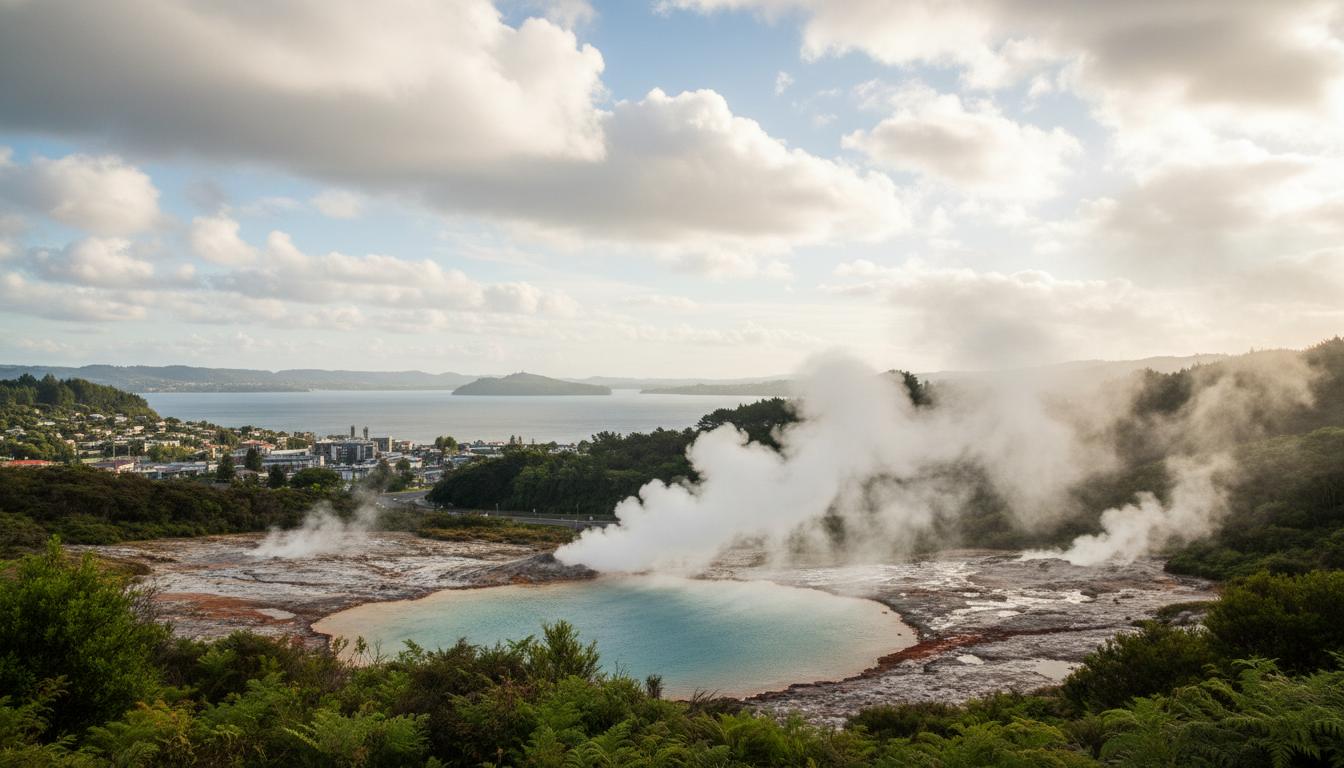
Rotorua weather describes the local climate of Rotorua, a lakeside city on New Zealand’s North Island. It sits in a volcanic and geothermal region, which gives the area unique steam, sulphur smells and microclimates. Overall, Rotorua has a temperate climate with four clear seasons, frequent changes through the day, and enough rainfall year-round to keep the landscape green.
Expect milder summers and cool winters compared with some inland NZ towns. Thermal activity can raise local temperatures around geyser areas and hot pools. At the same time, the surrounding hills and lakes shape wind patterns and moisture, so conditions can be noticeably different a short drive away.
How rotorua weather works
Several factors shape rotorua weather:
- Latitude and altitude: Rotorua sits in the central North Island, which gives it a generally mild profile compared with the South Island.
- Lakes and topography: Lake Rotorua and nearby lakes moderate temperature swings and increase humidity. Hills create sheltered valleys and local wind effects.
- Geothermal activity: Steam and heat from hot springs and vents create warmer microclimates near geothermal parks.
- Prevailing winds and fronts: Weather systems move across the country, bringing rain, wind or clear spells—often changing fast.
Because of these influences, local forecasts can differ from regional forecasts. Check town-specific sources for the most accurate read on rotorua weather.
How to read the forecast for Rotorua
Use hourly forecasts and rain radar to plan short activities. Look at:
- Temperature highs and lows for the day
- Hourly chance of rain and wind gusts
- Sunrise and sunset times
- UV index if you plan to be outdoors
For multi-day planning, compare 3–7 day forecasts and keep an eye on weather warnings or river flood watches if heavy rain is predicted.
Types / examples of rotorua weather
Rotorua experiences a mix of weather types. Here are common examples:
- Calm, sunny days ideal for lakeside walks and cycling in the Redwoods.
- Warm, humid spells in summer—perfect for boating but bring sunscreen.
- Cool, crisp mornings in autumn and spring with bright afternoons.
- Wet fronts bringing steady rain and occasional heavy bursts; these are common in all seasons.
- Cold snaps in winter with frosty mornings—suitable for relaxing in hot pools.
| Season | Typical Feel | Best Activities |
|---|---|---|
| Summer (Dec–Feb) | Warm, sometimes humid; more stable sunny days | Swimming, boating, mountain biking, festivals |
| Autumn (Mar–May) | Cooling with crisp mornings; colourful foliage | Walking, sightseeing, thermal pools |
| Winter (Jun–Aug) | Cool with frosts some mornings; cosy indoor charm | Hot pools, spa visits, cultural attractions |
| Spring (Sep–Nov) | Variable—bright days and showery spells | Wildlife watching, gardens, hiking |
Local microclimates
Near geothermal sites you may notice warmer patches and steam fog in cool weather. Lakeside breezes can cool hot days, while sheltered valleys may hold chillier air overnight. If you move between attractions, expect small but noticeable changes in temperature and humidity.
Pros and cons of rotorua weather
Understanding the trade-offs helps you pick the right time to visit and pack appropriately. Below are the main pros and cons.
- Pro: Mild temperatures make outdoor activities enjoyable most of the year.
- Pro: Thermal attractions are great in cooler weather—steam and hot pools feel more inviting.
- Con: Weather can change quickly; a sunny morning can turn showery in afternoon.
- Con: Humidity and sulphur smells near geothermal sites can be noticeable for some visitors.
Season-by-season benefits and drawbacks
Each season has its advantages. Summer offers long days but more tourists. Winter is quieter and excellent for hot pools but brings cooler mornings. Shoulder seasons—spring and autumn—often provide the best mix of milder crowds and good weather, though showers remain possible.
How to use or choose around rotorua weather
Decide when to visit and how to plan using simple steps. Follow this numbered plan when preparing for rotorua weather.
- Check a reliable local forecast (MetService or NIWA) seven days before your trip.
- Review hourly radar the day before for short activities like geyser tours or lake trips.
- Pack layers: base layer, fleece or sweater, waterproof jacket, and hat. Expect quick changes.
- Book outdoor activities with flexible time slots or easy rebooking in case of rain.
- Plan indoor alternatives: spa visits, museums, cultural centres, or geothermal parks with covered areas.
- On arrival, ask hosts or guides about microclimates and local tips for current conditions.
Useful packing items for rotorua weather:
- Light rain jacket and compact umbrella
- Warm layers for mornings and evenings
- Comfortable walking shoes with good grip
- Swimwear for hot pools and changing winds
- Sunscreen and sunglasses for sunny spells
Choosing the best time to visit
For the warmest weather and long daylight, visit in summer. For fewer crowds and colourful scenery, choose autumn. If you prefer cooler days and those relaxing hot pools, winter is ideal. Spring offers blossoms and fresh landscapes but expect more variable weather.
FAQ
How often does it rain in Rotorua?
Rotorua sees rain throughout the year. Showers are common but can vary from light showers to heavier passages. Always check short-term radar for the most accurate picture.
Can I see geysers and thermal features in bad weather?
Yes. Many geothermal parks are open in rain, and steam can be more dramatic in cool weather. Wear waterproof clothing and sturdy shoes for muddy paths.
Is Rotorua windy?
Rotorua can experience breezy conditions, especially near lakes. However, sheltered valleys are often calmer. Expect gusts with passing fronts but not persistent strong winds like coastal areas.
Do I need special gear for mountain biking in Rotorua?
Yes. For the Redwood trails bring a helmet, layered clothing and a waterproof jacket in case of showers. Trails can be muddy after rain, so tyre choice and grip matter.
Where can I get the most reliable rotorua weather updates?
Use national services such as MetService, NIWA, and local sites for Rotorua-specific updates. Hourly forecasts and radar images are essential for planning short outdoor trips.
Quick tips for visiting on short notice
- Always bring a compact rain layer even on sunny days.
- Book thermal pools or indoor attractions as backups.
- Start outdoor activities early; weather often changes later in the day.
Rotorua weather is part of the experience: its steam, changing skies and comfortable seasons are why many visitors return. With sensible planning—layers, reliable forecasts and flexible plans—you will enjoy what Rotorua offers in any weather.