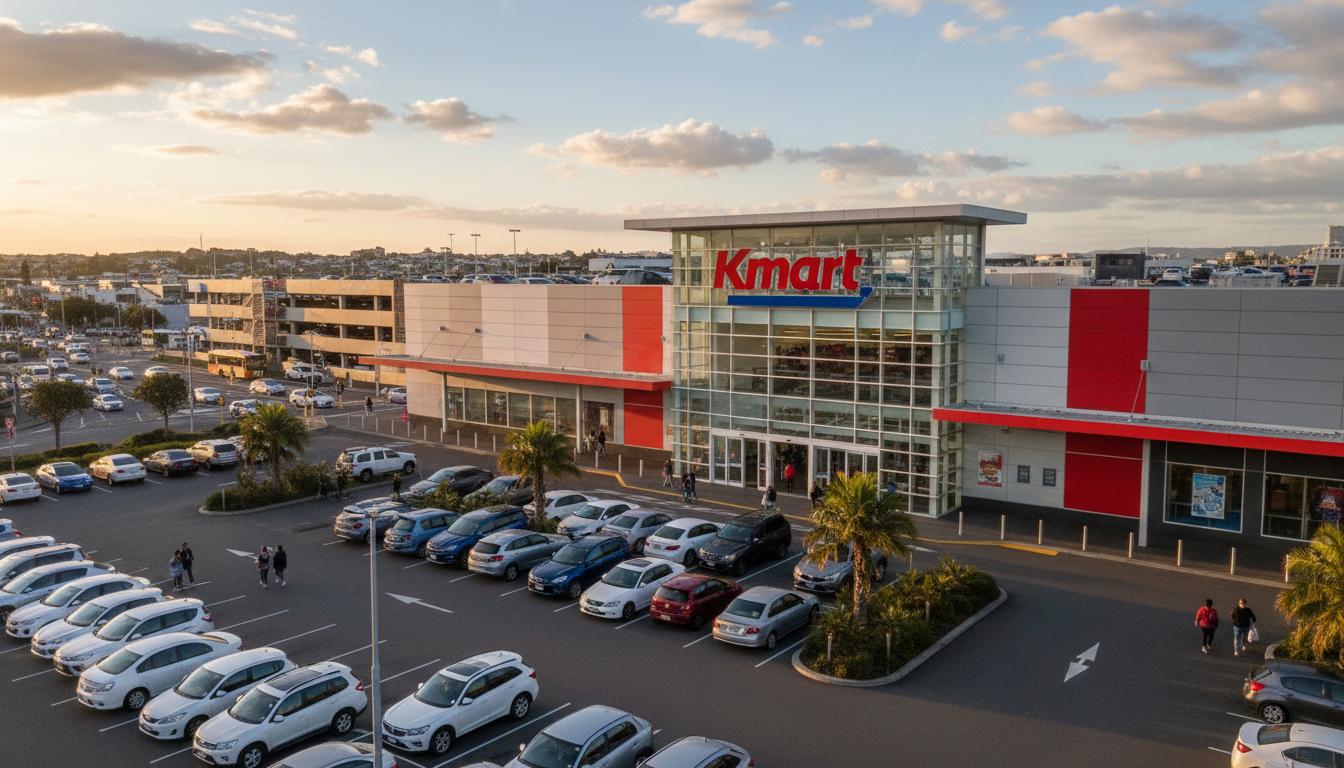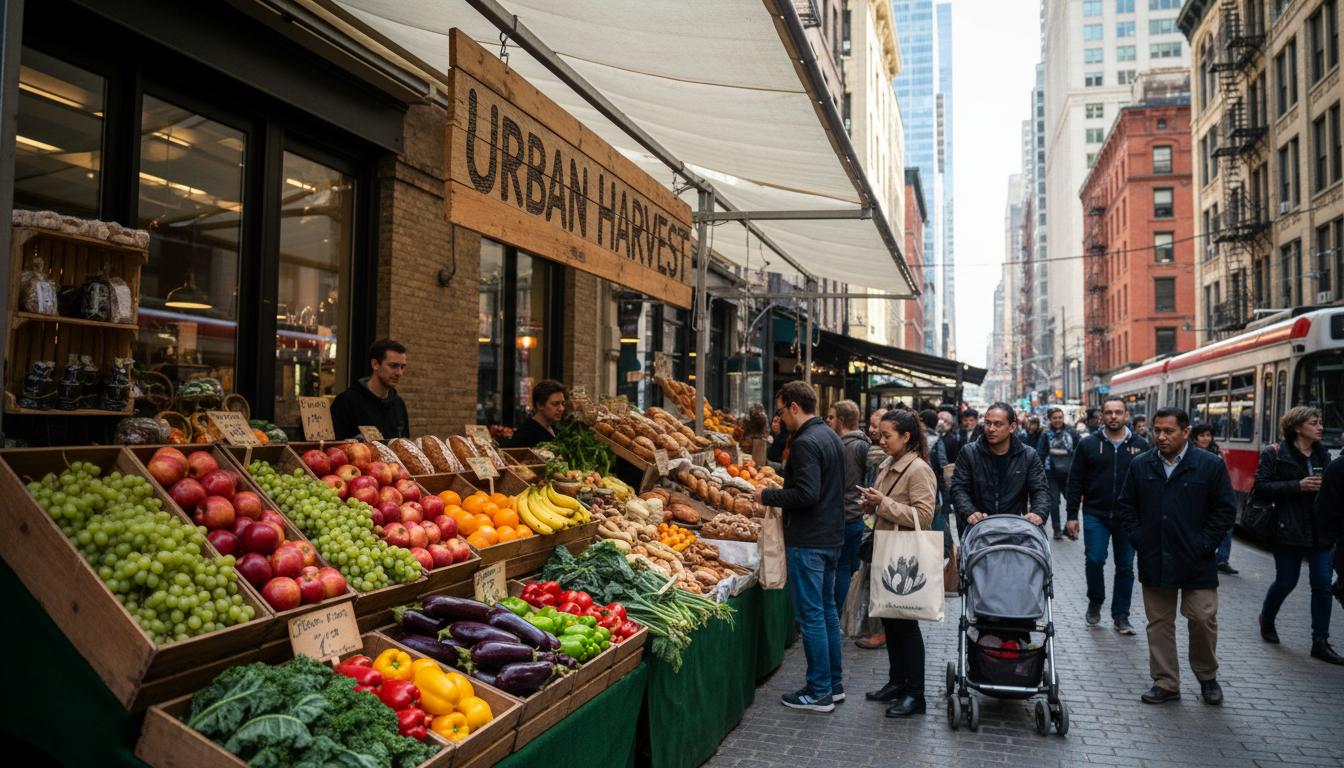
Urban sales is the art and science of selling to people who live, work, and move through New Zealand’s cities. Think fast foot traffic on Auckland’s Queen Street, lunchtime scrolls in Wellington’s Cuba Precinct, and apartment dwellers in central Christchurch buying online after hours. This guide shows how urban sales works, where it shines, the pitfalls to avoid, and the practical steps to build a strategy that fits Aotearoa’s city centres.
What is
Urban sales refers to the strategies, channels, and operations used to sell products, services, or property in dense city environments.
In practice, it blends location, digital discovery, and last‑mile delivery. It’s retail storefronts near commuter routes, pop-up kiosks beside events, e-commerce with same-day courier options, and real estate campaigns designed for apartment buyers who prefer auctions and fast turnarounds. The goal is simple: meet city customers where they are—online and on foot—and make buying effortless.
How it works
Urban sales works by aligning four moving parts: audience, channel, operations, and compliance. When they click together, you get speed, volume, and repeat business.
1) Audience
City customers vary by block. Office workers buy at lunch or after work. Students are price-sensitive and social-first. Apartment households value delivery windows and building access. Tourists respond to proximity, signage, and quick checkout. Map these segments by time of day and micro-location to match offers and staffing.
2) Channel mix
- Physical: high-street stores, market stalls, kiosks, pop-ups, and showrooms near transit hubs.
- Digital: mobile-friendly e-commerce, click & collect, marketplace listings (e.g., Trade Me), social commerce, and Google Business Profile for local search.
- Real estate: auctions, tenders, and set-date campaigns with heavy digital advertising, video walk-throughs, and open homes scheduled around peak city movement.
3) Operations and logistics
- Payments: EFTPOS and contactless are standard; many customers expect Buy Now, Pay Later options like Afterpay or Laybuy.
- Fulfilment: Offer click & collect, locker pickup, and clear courier timeframes. Work with reliable carriers (e.g., NZ Post and major couriers) and consider bike or EV couriers for CBD runs.
- Inventory: Hold fast movers centrally; use real-time stock visibility to prevent lost sales.
- Staffing: Roster to the rhythm of the city—commute peaks, lunch rush, weekend events, cruise ship days.
4) Compliance and trust
- Consumer Guarantees Act: goods and services must be of acceptable quality; returns policies cannot remove legal rights.
- Fair Trading Act: avoid misleading or unsubstantiated claims, including price comparisons and “limited stock” messages.
- Privacy Act 2020: collect only what you need, be transparent about use, and secure customer data, especially for Wi‑Fi sign-ups and loyalty programmes.
- GST: most goods and services include 15% GST; price displays should be clear and final for consumers.
- Local bylaws: check council rules for signage, footpath trading, events, and noise.
Key success signals
- High conversion rate from search/maps to in-store visits.
- Short delivery windows met consistently.
- Strong repeat custom within a 3–5 km radius.
- Reviews that mention speed, clarity, and friendly service.
Types / examples
Retail and D2C
A boutique in Auckland CBD drives urban sales by running Instagram Reels in the morning, promoting lunch-hour try-ons, and offering click & collect with a two-hour hold. A same-day courier covers the inner suburbs before 6 pm. A pop-up table outside during events captures impulse buys.
E-commerce with urban fulfilment
An online electronics brand offers a CBD pickup locker, two-hour courier for inner Wellington, and clear stock levels by store. Google Maps shows live pickup options, so searchers become buyers within minutes.
Hospitality and services
A barbershop near Britomart takes walk-ins via a live queue on its website. Most bookings are day-of. Payment is tap-and-go; receipts feed a simple CRM for reminders. Urban sales here is time-sensitive and convenience-led.
Real estate in city centres
An apartment auction campaign uses targeted social ads within 5 km, weekday twilight open homes, and a strong data room for buyers. The messaging highlights commute savings and amenities rather than land size. Speed and transparency win.
B2B in urban precincts
A SaaS startup sells into co-working spaces by hosting free clinics at lunchtime and offering month-to-month trials. Decision-makers can test quickly, making urban sales cycles shorter than regional equivalents.
Pros and cons
- Pros:
- High customer density and walk-by visibility.
- More data signals for optimisation (search, maps, reviews, footfall).
- Faster word of mouth via social neighbourhoods.
- Shorter delivery routes and click & collect uptake.
- Cons:
- Higher rents and fit-out costs in prime spots.
- Competition next door and constant price visibility.
- Traffic, parking, and building access constraints.
- Complex rostering and compliance with local rules.
Urban vs suburban vs rural: a quick comparison
| Factor | Urban | Suburban | Rural |
|---|---|---|---|
| Customer density | Very high, rapid turnover | Moderate, family-oriented | Low, relationship-driven |
| Premises cost | High | Medium | Low |
| Foot traffic | Peaks by commute/lunch/events | Evenings/weekends | Event/season driven |
| Delivery speed | Same day often feasible | 1–2 days common | Longer lead times |
| Marketing focus | Local SEO, social, out-of-home | Community groups, schools | Direct outreach, local media |
| Sales channels | Omnichannel, pop-ups, marketplaces | Store + online | Online + appointment |
| Customer expectations | Fast, convenient, transparent | Value, parking, family-friendly | Trust, service continuity |
How to use or choose
Use this step-by-step plan to design an urban sales strategy tailored to New Zealand city centres.
- Define your city catchment. Map a 3–5 km radius around target hubs (stations, universities, hospitals, stadiums) and list key customer segments by time of day.
- Pick your primary conversion path. Decide whether sales close in-store, via click & collect, by courier, or through appointments/auctions.
- Optimise for discovery. Claim and polish your Google Business Profile, keep hours accurate, add photos, and encourage reviews. Use location keywords in page titles and meta descriptions.
- Choose a physical presence. Options include a small high-street shop, a shared space, a pop-up, or a showroom. For real estate, choose the campaign method (auction, tender, fixed price) that suits buyer urgency.
- Set urban-friendly fulfilment. Offer clear pickup windows, lockers where possible, and realistic courier ETAs. Build relationships with couriers that understand CBD access rules.
- Make payment frictionless. Ensure contactless works flawlessly. Offer BNPL if it fits your brand and margins. For higher-ticket items, offer deposits and invoicing.
- Create time-based offers. Lunch specials, post-work bundles, event-day kits—match promotions to the city’s clock.
- Track the right metrics. Watch footfall, conversion rate, average order value, cost per acquisition, lifetime value, and delivery on-time rate. Adjust fast.
- Stay compliant and trustworthy. Train staff on the Consumer Guarantees Act and Fair Trading Act basics. Collect only necessary personal data and store it securely.
- Test, learn, and expand. Trial a pop-up or a single CBD delivery zone, measure, then scale to other precincts like Newmarket, Ponsonby, Te Aro, or Riccarton.
Channel choices for urban sales
- Pop-up first: prove demand with a four-week test before committing to a lease.
- Omnichannel retail: keep inventory linked so customers can see store stock online.
- Marketplace-led: list hero SKUs on Trade Me to capture active intent, then nurture into direct channels.
- Service appointment model: short, reliable time slots with SMS updates beat low prices.
- Real estate campaigns: lead with high-quality visuals and clear deadlines; run open homes at commuter-friendly times.
Pricing and promotions that fit city dynamics
- Bundle for speed (grab-and-go sets, care packs, “moving in” kits).
- Use geofenced ads during peak movement.
- Offer micro-incentives for click & collect to lower delivery costs and wait times.
- Signal availability prominently—urban buyers hate uncertainty more than price.
Urban sales for property
- Choose between auction (speed, transparency) and tender (controlled negotiations) based on demand and comparables.
- Emphasise commute times, transit access, body corporate info, and running costs.
- Enable remote participation with virtual tours and verified documentation.
FAQ
What does “urban sales” mean in New Zealand?
It means selling in city environments—Auckland, Wellington, Christchurch, and other centres—using a mix of physical presence, digital discovery, and fast fulfilment to serve dense, diverse customer groups.
Which channels work best for urban sales?
Omnichannel wins: a visible store or pop-up near foot traffic, strong Google Maps presence, mobile e-commerce, click & collect, and reliable same-day delivery for close suburbs.
How do I measure success?
- Conversion rate from search/maps to visit or order
- Average order value and margin
- Delivery on-time rate and pickup lead time
- Repeat purchase rate within 90 days
- Review volume and rating trends
What about laws and consumer rights?
Follow the Consumer Guarantees Act, Fair Trading Act, and Privacy Act 2020. Price transparently (GST-inclusive for consumer pricing), avoid misleading claims, and protect customer data. If unsure, check government guidance or seek advice.
Do I need a city store, or can I stay online?
You can stay online, but pairing e-commerce with click & collect, lockers, or a short-term pop-up often lifts conversion and trust in urban areas.
How fast should delivery be for urban sales?
Set clear expectations. Same-day or next-day for nearby suburbs is competitive; two-hour delivery can work for small, high-margin items if routes are tight and demand is predictable.
What payment options do city customers expect?
Contactless EFTPOS is a must. Many expect BNPL for mid- to higher-ticket purchases. Keep options simple and reliable at peak times.
How do I handle returns in the city?
Make it easy: allow in-store returns for online orders, offer prepaid labels, and restock fast. Ensure your policy aligns with the Consumer Guarantees Act.
Any quick wins for local SEO?
Keep your Google Business Profile accurate, use location terms on key pages, add high-quality photos, post updates for events and hours, and reply to reviews promptly.
How do urban sales apply to real estate?
City property sales focus on speed, convenience, and verified information. Auctions and time-boxed campaigns with strong digital marketing work well, especially for apartments and townhouses.
Final take
Urban sales thrives on clarity and speed. Pick channels that fit the city’s pace, price for convenience, and make fulfilment effortless. Respect local laws, measure what matters, and iterate quickly. Do that, and New Zealand’s urban markets will repay you with consistent, compounding demand.