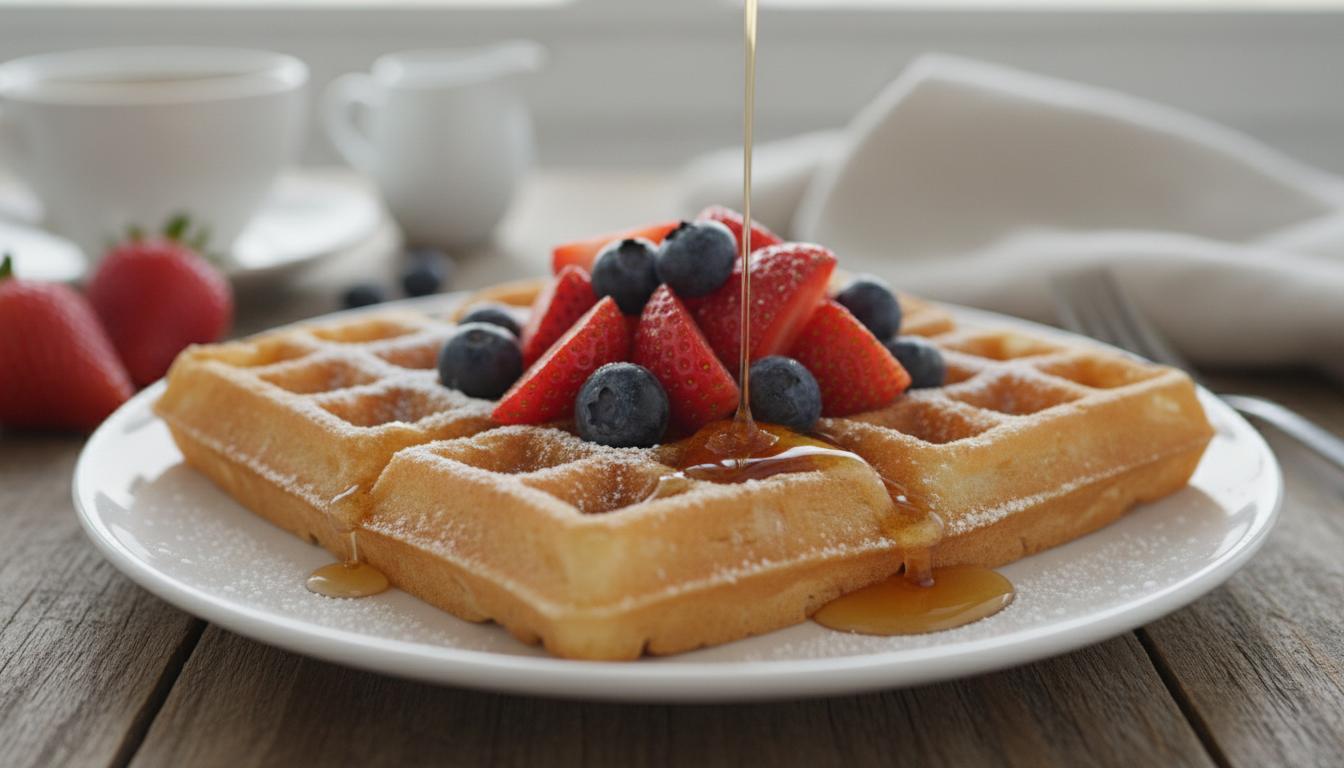
If the smell of a hot waffle makes you think of weekend brunch at a Wellington café or a food truck at the Auckland waterfront, you’re not alone. This guide explains what a waffle really is, how the science works, the main types you’ll see in Aotearoa, the pros and cons, how to choose a waffle maker, and how to nail a perfect batch at home. Short, practical, and tuned to New Zealand kitchens.
What is
A waffle is a cooked batter or dough pressed between patterned hot plates to create a crisp, golden grid with pockets that hold toppings. The idea started in Europe centuries ago and spread worldwide. Today, the waffle shows up on Kiwi brunch menus, in supermarket freezers, and as cones for ice cream by the beach.
Unlike pancakes, a waffle is cooked in a waffle maker (also called a waffle iron). The grid pattern gives more surface area for browning. That’s why a waffle can be crisp outside and soft inside at the same time, even with similar ingredients to pancakes.
In New Zealand, you’ll find classic Belgian waffles, sweet Liège waffles, and modern twists: mochi waffles, savoury potato waffles, and even Hong Kong–style egg waffles. Toppings reflect local taste—Mānuka honey, lemon curd, bacon and maple, fresh kiwifruit or feijoa compote, and a scoop of hokey pokey ice cream never goes amiss.
How it works
Great waffle texture comes from heat, steam, and the right batter balance.
- Leavening: Baking powder (or yeast) creates tiny bubbles. In a hot waffle maker, those bubbles expand and set, giving lift.
- Fat and sugar: Oil or butter helps crisp the surface. Sugar aids browning and adds tenderness.
- Heat and steam: Plates typically sit around 180–220°C. Steam drives moisture out, firming the crust while the centre stays fluffy.
- Maillard reaction: At high heat, proteins and sugars react, building that deep golden colour and toasty flavour.
Yeasted waffles rise slowly and taste more complex. Quick waffles use chemical leaveners and are ready in minutes. Either way, preheating the waffle maker is non‑negotiable. A cold plate steams the batter and makes it pale and soft.
Keys to a crisp waffle
- Preheat fully until the indicator light signals ready.
- Use a slightly thicker batter than pancake batter.
- Do not overmix—leave small lumps so gluten stays relaxed.
- Cook until steam almost stops escaping; that’s the natural “done” signal.
- Cool finished waffles briefly on a rack so moisture doesn’t sog the base.
Types / examples
Not all waffles are equal. Here are the styles you’re most likely to meet in New Zealand and how they differ.
Common waffle styles
- Belgian (Brussels-style): Yeasted batter, light and airy, deep pockets. Often dusted with icing sugar, topped with berries and cream.
- Liège: Yeasted dough (not batter) with pearl sugar that melts and caramelises. Dense, buttery, sweet on its own.
- American/Buttermilk: Chemical leavening, crisp outside, tender inside. A classic base for bacon and maple or fried chicken.
- Stroopwafel: Thin, pressed cookie-like waffle with a spiced caramel syrup filling. Great with coffee.
- Hong Kong egg waffle: Bubble texture, chewy edges. Served plain or folded with ice cream and sauces.
- Mochi waffle: Made with glutinous rice flour for a chewy centre, crisp shell.
- Savoury potato or kumara waffle: Grated veg with egg and a little flour, cooked crisp. Ideal with poached eggs and hollandaise.
Waffle styles compared
| Type | Texture | Sweetness | Typical toppings in NZ | Difficulty | Best for |
|---|---|---|---|---|---|
| Belgian (Brussels) | Light, airy, crisp edges | Low–medium | Berries, whipped cream, Mānuka honey | Medium (yeast, proofing) | Brunch plates |
| Liège | Dense, caramelised crust | High | Plain, or chocolate drizzle | Medium–high (dough, pearl sugar) | On-the-go snack |
| American/Buttermilk | Tender, classic grid | Medium | Bacon and maple, fried chicken | Easy | Everyday breakfasts |
| Stroopwafel | Thin, chewy | High | With coffee or tea | Medium (two bakes + filling) | Snacking, gifting |
| Egg waffle | Bubble, crisp-chewy | Medium | Ice cream, sauces | Medium (special pan) | Desserts |
| Savoury potato | Crisp, hearty | Low | Poached eggs, hollandaise | Easy | Brunch mains |
Pros and cons
Pros
- Versatile: Works for sweet or savoury, breakfast or dessert.
- Quick: Batter waffles cook in 3–5 minutes once preheated.
- Make-ahead friendly: Batch-cook and freeze; reheat in toaster or oven.
- Textural win: Crisp outside, soft middle—hard to beat.
- Kid- and crowd-pleasing: Easy to customise with toppings.
Cons
- Needs equipment: A waffle maker takes cupboard space.
- Can be rich: Sugar and butter add up; balance with fruit or savoury sides.
- Mess risk: Overflow if you overfill the plates.
- Learning curve: Timing varies by maker; first waffle may be a tester.
How to use or choose
Choosing a waffle maker in New Zealand
- Plate style: Belgian (deep pockets) vs classic (shallower grid). Choose based on how you like your waffle.
- Flip vs fixed: Flip models spread batter evenly for thicker waffles. Fixed models are simpler and cheaper.
- Removable plates: Easier cleaning. Handy if you cook savoury waffles and want no flavour carryover.
- Non-stick vs cast iron: Non-stick heats fast and cleans easily. Cast iron is durable but heavier and needs seasoning.
- Wattage: 800–1,400 W is common. Higher wattage recovers heat faster for crisp results.
- Controls: Browning dial, ready lights, and audible alerts help with consistency.
- Overflow moat: Catches excess batter—less bench cleanup.
- Size and storage: Check footprint and cord wrap; upright storage is useful in small kitchens.
- Warranty and service: NZ retailers generally support returns under the Consumer Guarantees Act. Keep receipts.
- Typical price range (NZD): Basic $40–$80; mid-range $80–$150; premium $150–$300+ (prices vary by brand and sales).
You can find waffle makers at major retailers across Aotearoa, including appliance stores and general homeware shops, as well as online marketplaces. If you want café-style thick Belgian waffles, confirm the plate depth before you buy.
Step-by-step: classic waffle at home
- Preheat the waffle maker until the ready light shows. Lightly oil if recommended.
- Mix dry bowl: 250 g plain flour, 2 tbsp sugar, 2 tsp baking powder, 1/2 tsp fine salt.
- Mix wet bowl: 2 large eggs, 350 ml milk, 60 g melted butter or neutral oil, 1 tsp vanilla (optional).
- Combine wet into dry. Stir just until no dry patches remain; small lumps are fine.
- Rest 5–10 minutes while the plates fully heat. Batter thickens slightly.
- Ladle batter to cover about 80% of the plate (it spreads). Close the lid.
- Cook 3–5 minutes, or until steam mostly stops and the waffle is deep golden.
- Lift out with silicone tongs. Cool 1 minute on a rack for maximum crispness.
- Repeat, adjusting ladle amount and time for your maker.
- Serve with fresh fruit, yoghurt, bacon and maple, or Mānuka honey and lemon.
Make it your own
- Wholemeal version: Swap 25–50% of the flour for wholemeal; add 1–2 tbsp extra milk.
- Dairy-free: Use oat or almond milk and oil instead of butter.
- Gluten-free: Use a trusted 1:1 gluten-free flour blend; let the batter rest 15 minutes.
- Yeasted Belgian: Replace baking powder with 1 tsp instant yeast; use 375 ml milk; rest 1 hour (or overnight in the fridge) before cooking.
Storage and reheating
- Fridge: Up to 2 days in an airtight container.
- Freeze: Lay waffles in a single layer, then bag once frozen. Keeps 1–2 months.
- Reheat: Toaster for 1–2 cycles, or 200°C oven for 5–8 minutes. Avoid the microwave; it softens the crust.
Buying waffles in NZ
- Frozen waffles: Convenient for school mornings. Check ingredient lists and sugar levels.
- Cafés and food trucks: Look for freshly made Belgian or Liège waffles; toppings vary seasonally.
- Pearl sugar: Needed for Liège waffles; available at specialty baking stores or online.
- Local toppings: Try bush honey, passionfruit pulp, rhubarb compote, or a scoop of hokey pokey.
FAQ
Are waffles and pancakes the same thing?
No. The batter is similar, but a waffle has more fat and often more sugar, and it cooks in a hot grid that crisps the surface. Pancakes are softer and cook on a flat pan.
What’s the difference between Belgian and Liège waffles?
Belgian (Brussels-style) uses a yeasted batter and tastes light and airy with big pockets. Liège uses a buttery dough with pearl sugar; it’s chewy and caramelised, sweet even without toppings.
Why are my waffles soggy?
Common reasons: plates not hot enough, batter too wet, opening the lid too soon, or stacking waffles so steam gets trapped. Preheat properly, cook until steam slows, and cool on a rack.
Can I make waffles without a waffle maker?
You can mimic with a sandwich press or a grill pan, but you won’t get the same grid or crispness. For true results, a waffle maker is best.
How do I clean a waffle maker safely?
Unplug and cool slightly. Wipe crumbs with a dry brush or paper towel. Clean plates with a damp cloth; avoid abrasives. For stuck bits, lay a damp paper towel on the warm plate for a minute, then wipe. If plates are removable, wash gently and dry fully before storing.
Is a waffle unhealthy?
It depends on recipe and toppings. A plain waffle with yoghurt and fruit can fit into a balanced diet. For lighter options, cut sugar, use wholemeal flour, and top with fresh fruit instead of syrups.
Can I make gluten-free or dairy-free waffles?
Yes. Use a quality gluten-free flour blend and let the batter rest to hydrate. For dairy-free, swap in plant milk and oil. Always check labels if serving someone with allergies.
What toppings work well in New Zealand?
Berries, kiwifruit, feijoa compote, lemon curd, bacon and pure maple syrup, Mānuka honey, vanilla yoghurt, Nutella, or hokey pokey ice cream for dessert waffles.
How do I get deep golden colour without burning?
Use a little sugar in the batter, preheat fully, and cook until steam slows. If the outside colours too fast, reduce the browning setting or cooking time slightly.
What size waffle maker should I buy?
For singles or couples, a compact 2-slice (one round or two square waffles) is fine. For families, consider a 4-slice or a flip model with faster heat recovery to keep up with demand.
Are frozen waffles any good?
They’re convenient. Quality varies—look for shorter ingredient lists and toast them well. Handy for school mornings or quick snacks.
Can I use a waffle maker for other foods?
Yes. Hash browns, toasted sandwiches, brownie batter, or leftover mashed potato waffles. If you switch between savoury and sweet, clean well or use removable plates.
Final bite
A good waffle is all about heat, timing, and balance. With a reliable waffle maker and a simple batter, you can turn out café-worthy plates at home—crisp, golden, and ready for whatever toppings New Zealand’s seasons throw at them.