Most Kiwis know the sight: a bright bag, an e-bike humming past, and a friendly wave. That’s your postie—part of the daily rhythm that keeps letters and parcels moving. This guide explains what a postie is in New Zealand, how delivery works behind the scenes, the different types of services, the pros and cons, and simple steps to get the best from your local delivery. If you’ve ever wondered why some items arrive at the letterbox while others need a signature at the door, read on.
What is
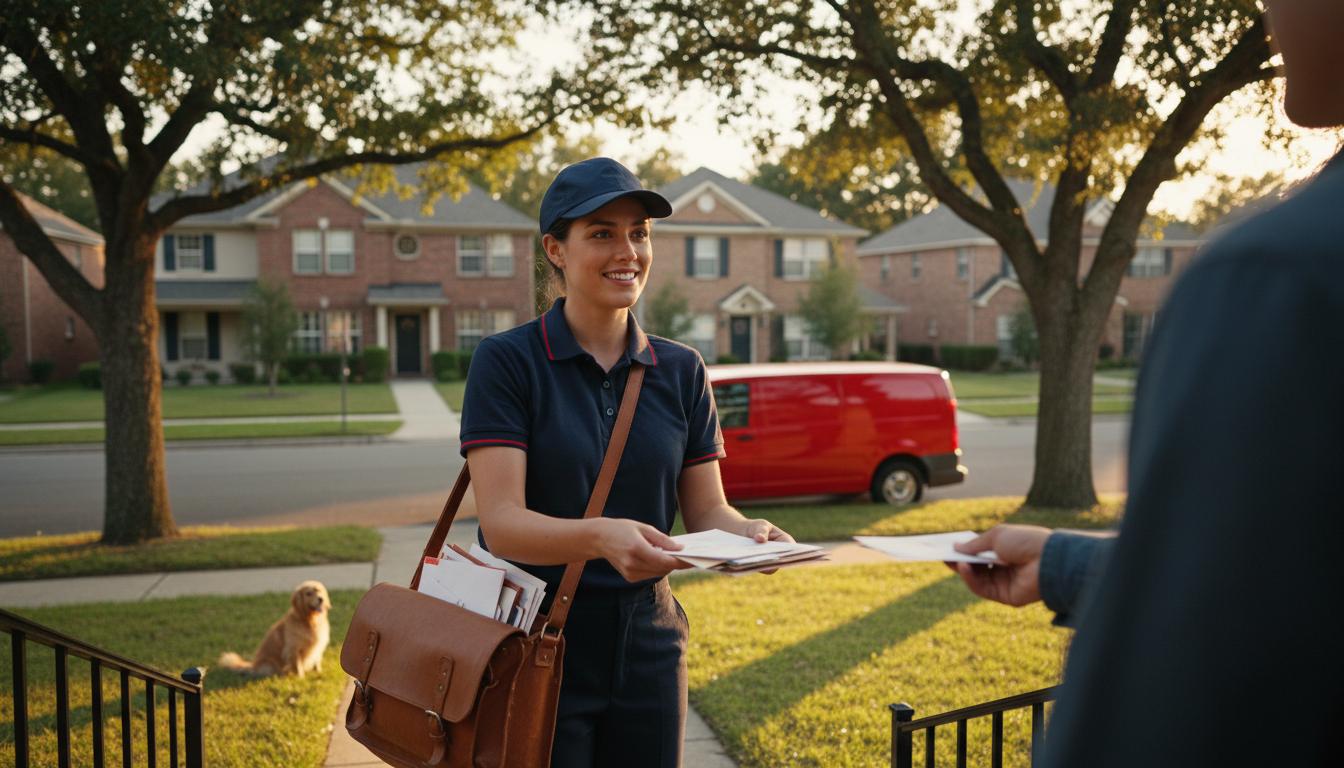
In New Zealand, a postie is the person who delivers mail and many small parcels to homes, businesses, and rural addresses. Most posties work within the New Zealand Post network, handling the “last mile” from local depots to your letterbox or doorstep.
The word postie is everyday Kiwi English, much like “sparky” or “traddy.” While couriers focus on time-sensitive and larger parcels, the postie’s core job is regular letter delivery and light parcels that fit standard delivery methods.
A quick note on names: Postie also refers to a popular clothing retailer in Aotearoa. This article is about the mail carrier—the person bringing letters and small parcels to you.
How it works
The journey of your mail
Even a simple birthday card takes a carefully planned route. Here’s the stripped-back version of what your postie deals with every day.
- You post or lodge: Items are dropped in a street box, handed over at a PostShop, or booked online for pickup.
- Sorting and processing: Mail is machine-sorted at a processing centre, then containerised for local delivery areas.
- Depot to route: Your local depot receives overnight trays. A postie prepares a run, scans parcels, and loads the e-bike or van.
- On the street: The postie follows a set route, delivering letters to boxes and parcels according to the delivery instructions.
- Exceptions: If a signature is required and you’re not home, the postie leaves a card to collect or attempts redelivery, depending on the service.
Delivery frequency and timing
Standard letter volumes have dropped in recent years, and many areas now see reduced letter delivery days. Parcels remain a priority, especially in busy periods. Your postie usually works weekdays, with some Saturday parcel runs in high-demand zones. Exact timing varies by route, weather, and traffic.
Vehicles and tools
- E-bikes and pushbikes for dense urban routes
- Light vans for parcel-heavy areas and rural runs
- Scanners for tracking, proof of delivery, and signatures
- High-visibility gear and safety equipment
Safety and access
Your postie needs safe, clear access. Overgrown hedges, steep drives, or loose dogs slow deliveries and can cause missed items. If a place isn’t safe or accessible, the postie may leave a card to collect.
Authority to leave and signatures
Many parcels can be left with “Authority to Leave” (ATL) if you’ve set it and the spot is considered secure. If an item requires a signature, your postie needs someone present. When no one is home, you’ll receive a collection card with instructions for pickup or redelivery options.
Types / examples
Urban postie
In cities and larger towns, a postie often uses an e-bike. They’ll deliver letters, tracked satchels, and small parcels that fit the letterbox or a safe spot. Signature-required items may need you at home.
Rural postie (RD delivery)
Rural Delivery (RD) routes are longer and usually served by a contractor in a vehicle. A rural postie handles mail, newspapers where applicable, and many parcels, but access can be tricky. Clear RD addressing and visible RAPID numbers help a lot.
Postie vs courier
People often mix the two. Couriers are geared for fast, door-to-door parcel delivery with tighter timeframes. Your postie focuses on letters and routine parcels and may not attempt multiple re-deliveries the way a dedicated courier might.
Examples of items your postie may deliver
- Letters, cards, statements, and small envelopes
- Tracked satchels that fit your letterbox
- Small parcels without special handling requirements
- Signature-required items, if someone is home
Pros and cons
Pros of relying on your postie
- Convenient: Regular, familiar local service to your letterbox
- Cost-effective: Letter and small-parcel options are usually cheaper than express courier
- Environmentally conscious: E-bikes and consolidated routes reduce emissions
- Community presence: Your postie knows the area and common delivery quirks
Cons and limits
- Lower frequency for letters in many areas
- Size and weight limits for what a postie can carry or leave
- Signature and security needs may require collection or redelivery
- Weather, roadworks, or access issues can delay delivery
How to use or choose
Pick the right service for your needs
Use this quick comparison to decide whether your postie, a courier service, a PO Box, or a parcel locker suits a specific item.
| Option | Best for | Speed | Tracking | Signature | Access | Typical Cost |
|---|---|---|---|---|---|---|
| Postie (standard delivery) | Letters, cards, small satchels | Standard | Limited for letters; available for tracked satchels | Available on select services | Letterbox or safe spot | Lowest |
| Courier | Time-sensitive parcels, larger items | Faster | Full tracking | Commonly available | Door-to-door | Higher |
| PO Box | Businesses or secure regular mail | Early pickup | Applies to tracked items | On collection | Box at branch | Subscription fee |
| Parcel locker/collect | Not home during the day | Flexible pickup | Full tracking | On collection | 24/7 lockers (where available) | Usually included |
Addressing your item correctly
Clear addressing helps your postie deliver first time. Follow these steps.
- Write the full name on the top line.
- Street number and name on the second line (use unit or apartment number first, e.g., 1/23 Example Street).
- Suburb and town/city on the third line.
- Postcode at the end (use the correct 4-digit NZ postcode).
- For rural: include RD number and make sure your RAPID number is visible at the gate.
- Use a return address on the back.
Packaging and size tips for your postie
- Use sturdy envelopes or satchels that won’t split in the weather.
- Keep items slim if you want them to fit a standard letterbox slot.
- For fragile goods, use bubble wrap and mark “Fragile,” but still pack to survive a drop.
- Seal edges with tape; rain and sorting belts test weak seams.
Set delivery preferences
- Authority to Leave: Tell the carrier if they can leave parcels without a signature and where (e.g., behind the pot plant).
- Safe spot: Choose somewhere out of sight and out of rain.
- Signature-required: Use this for high-value items to avoid unattended drops.
If you miss your postie
- Use the carded details to arrange redelivery where offered, or collect from the specified location.
- Bring ID for signature-held items.
- Check tracking updates for the latest status.
Help your postie help you
- Keep the letterbox visible, named, and in good repair.
- Trim hedges and secure dogs during delivery windows.
- Make house numbers large and legible from the road.
FAQ
What does a postie deliver in New Zealand?
Your postie delivers letters, cards, and many small parcels, plus tracked satchels that fit the letterbox or can be left safely. Larger, time-sensitive parcels are often handled by couriers.
How often does the postie come?
Letter delivery has been reduced in many areas due to lower mail volumes, while parcels remain a focus and may be delivered more often. Check local service updates for your address.
What time will my postie arrive?
Timing varies by route, traffic, weather, and workload. Regular patterns exist, but exact times are not guaranteed.
Can the postie take outgoing mail?
Some posties will collect correctly stamped outgoing letters if they’re clearly placed and safe to access, but it’s not guaranteed. Street posting boxes and PostShops remain the most reliable lodgement points.
What if I’m not home for a signature-required item?
Your postie will leave a card to collect or instructions for arranging another delivery option, depending on the service paid for.
Can I ask my postie to leave parcels in a specific spot?
Yes, if you’ve set Authority to Leave and the spot is considered secure. High-value items often require a signature and cannot be left unattended.
How should I address mail to a rural (RD) address?
Include the RAPID number, road name, and the correct RD number. Make sure the RAPID plate is clearly visible from the road for your rural postie.
Why did my postie skip delivery today?
Possible reasons include unsafe access (dogs, obstructions), severe weather, or the item exceeding size/weight for that route. A card to collect may be left if appropriate.
Is tipping a postie common in NZ?
Tipping isn’t standard practice in New Zealand. A friendly wave or a thank-you note goes a long way.
How do I become a postie?
Look for vacancies on major job boards or the relevant postal operator’s careers page. Roles often require fitness for on-the-go work, a clean driving record for vehicle routes, and a focus on safety and customer service.
What’s the difference between a postie and a courier?
A postie handles routine letter delivery and small parcels on planned routes. Couriers focus on fast, tracked parcel delivery with tighter deadlines and broader size options.
Is “Postie” the clothing store the same thing?
No. Postie the retailer is a clothing chain in New Zealand. A postie in this article means the mail carrier who brings letters and parcels.
Final tips
Your postie thrives on clear addresses, tidy access, and simple instructions. Choose the right service for each item, package it well, and set delivery preferences that suit your home. With a little preparation, your next delivery should land right where it belongs—no fuss, no chase, just a quick visit from the postie and you’re sorted.